SECCIONES
ARMENIA
LOCALES
DIÁSPORA
UGAB
INSTITUCIONES
EMPRENDIMIENTOS Y PYMES
OPINION
AGENDA
SOCIALES
EDICIONES

Temp.: -
Hum.: -
Miércoles 17 de Junio - Buenos Aires - Argentina
PREMIO MEJOR MEDIO DE PRENSA PUBLICADO EN LENGUA EXTRANJERA - MINISTERIO DE LA DIASPORA DE ARMENIA 2015
Cocina y Tradiciones - Harisá
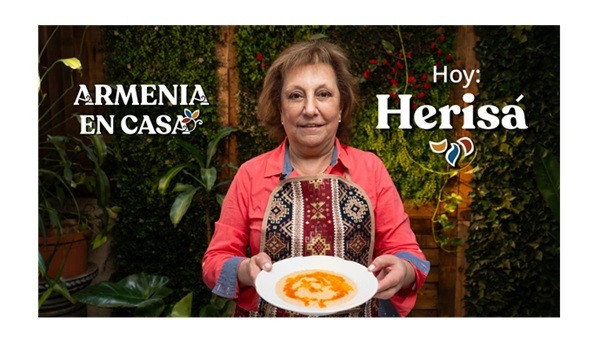
Armenia at Home E.11
10 de Junio de 2026

The Taste of Resistance

Harisa, the Dish That Defines Armenian Identity

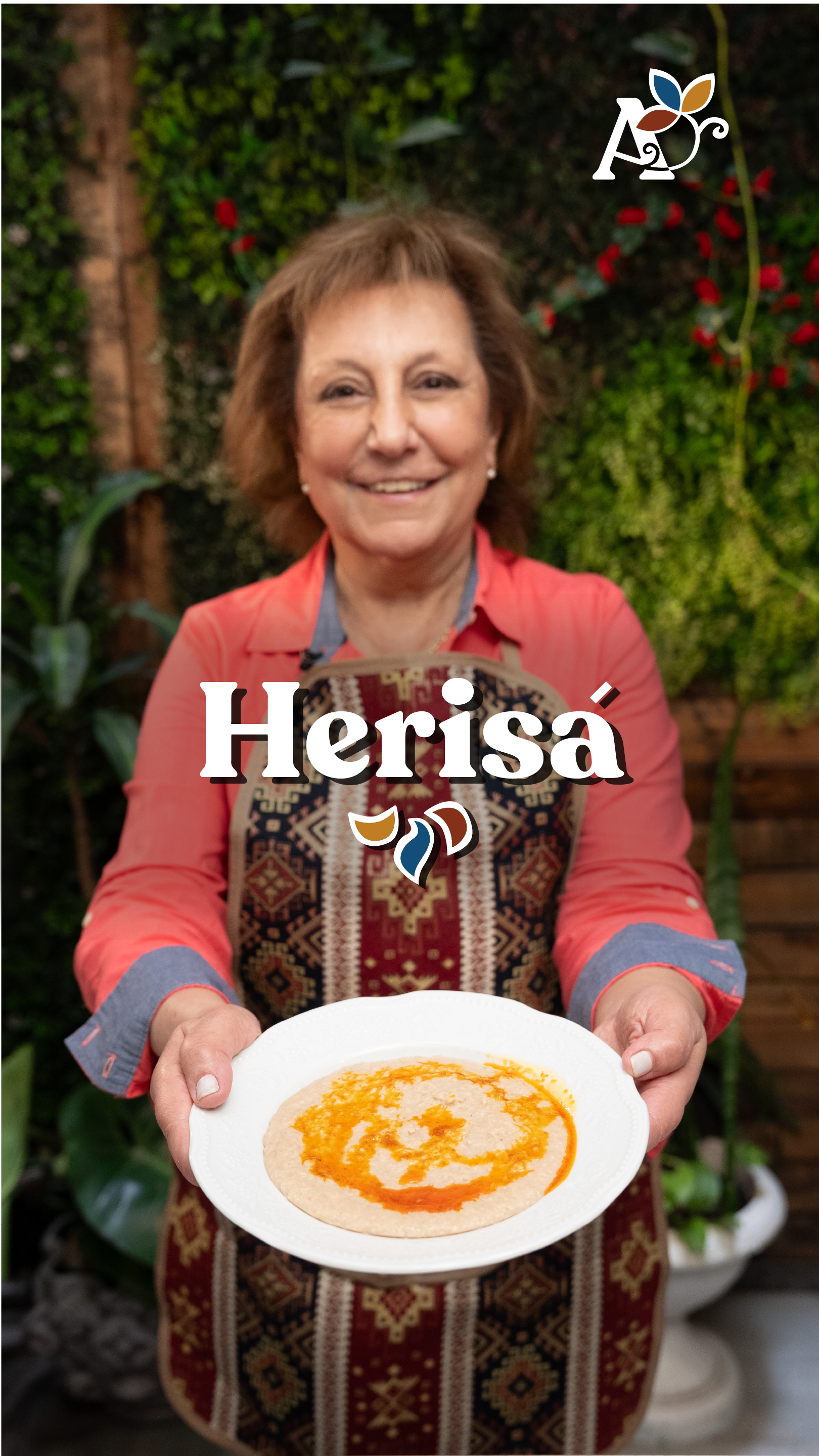
Gastronomy possesses the unique power to preserve the memory of peoples. In the case of Armenia, there is a dish that transcends the culinary realm to become a true symbol of survival, faith, and community: Harisa.

This preparation, one of the oldest and most emblematic dishes of Armenian cuisine, is made from wheat and meat (traditionally chicken or lamb). Both ingredients are slowly cooked for long hours until they blend into a thick, smooth, and deeply comforting porridge.

Origins, Faith, and Community

The history of Harisa is deeply connected to solidarity. According to popular tradition, its origins date back to the time of Saint Gregory the Illuminator, who introduced Christianity to Armenia. It is said that Gregory himself encouraged the preparation of this dish as an efficient and nourishing way to feed large crowds.

Over the centuries, Harisa became the centerpiece of religious celebrations and community gatherings. It is not a recipe meant to be prepared in isolation; it is an experience meant to be shared.

The Symbol of Musa Dagh

Beyond its spiritual origins, Harisa became forever etched into the modern history of the Armenian people during the tragic events of 1915. In the region of Musa Dagh, during the resistance against the Armenian Genocide, this dish became the essential sustenance of those defending their lives in the mountains. Since then, every spoonful of Harisa has also been a tribute to perseverance, resistance, and survival.

A Ritual Cooked Slowly

In Armenia and throughout the Armenian diaspora, the preparation of Harisa continues to follow a strict communal ritual. It is cooked in enormous cauldrons throughout the night and shared the following day during commemorations and traditional celebrations.

The Cook's Secret: Tradition dictates that every person participating in the preparation must approach the cauldron and stir the Harisa while making a personal wish or prayer. However, the ritual requires a precise technique: scraping the bottom of the pot is strictly forbidden. If the bottom layer is disturbed, the silky texture and creamy consistency that have taken hours to achieve may be ruined.

More Than a Recipe, a Legacy

Harisa embodies the very essence of Armenian cuisine: the ability to transform simple and humble ingredients into a meal rich with history, memory, and identity. Every bowl served is a reminder that as long as these traditions remain alive around the table, the spirit of Armenian family and community unity will remain indestructible.

12- Herisá@1.5x-100

https://youtu.be/AkQ_EG3Dpqk 


Más leídas