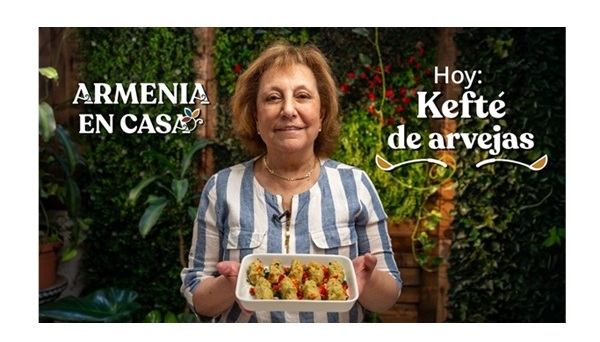
In traditional Armenian cuisine, vegetarian versions of kefté emerged mainly within rural and religious contexts. During fasting periods observed by the Armenian Apostolic Church, especially Lent and other liturgical occasions, the consumption of meat and dairy products was avoided. This encouraged the creation of nourishing recipes based on legumes, grains, and vegetables.
Peas, along with chickpeas and lentils, were affordable, accessible, and easy to preserve during the long winters. Combined with bulgur, onions, and fresh herbs, they made it possible to prepare hearty keftés that provided plant-based protein and energy for daily labor.
In many Armenian villages, these preparations were also connected to communal cooking traditions: large quantities of keftés were prepared collectively by women from the family or neighborhood, especially before religious celebrations or family gatherings.
Following the Armenian Genocide and the dispersion of the diaspora during the twentieth century, many of these recipes survived through oral transmission from one generation to the next. In countries such as Argentina, Lebanon, Syria, France, and the United States, pea kefté continued to be prepared in Armenian homes as a simple dish deeply tied to family memory and cultural identity.
Today, this recipe has also found a place within contemporary vegetarian and Mediterranean cuisine, although for many Armenian families it remains, above all, a dish filled with history, identity, and shared memories around the table.
https://youtu.be/YThrndggBUM
https://www.instagram.com/reel/DY27WLWJntD/?igsh=ZmpvOW9rM2Ewcml5